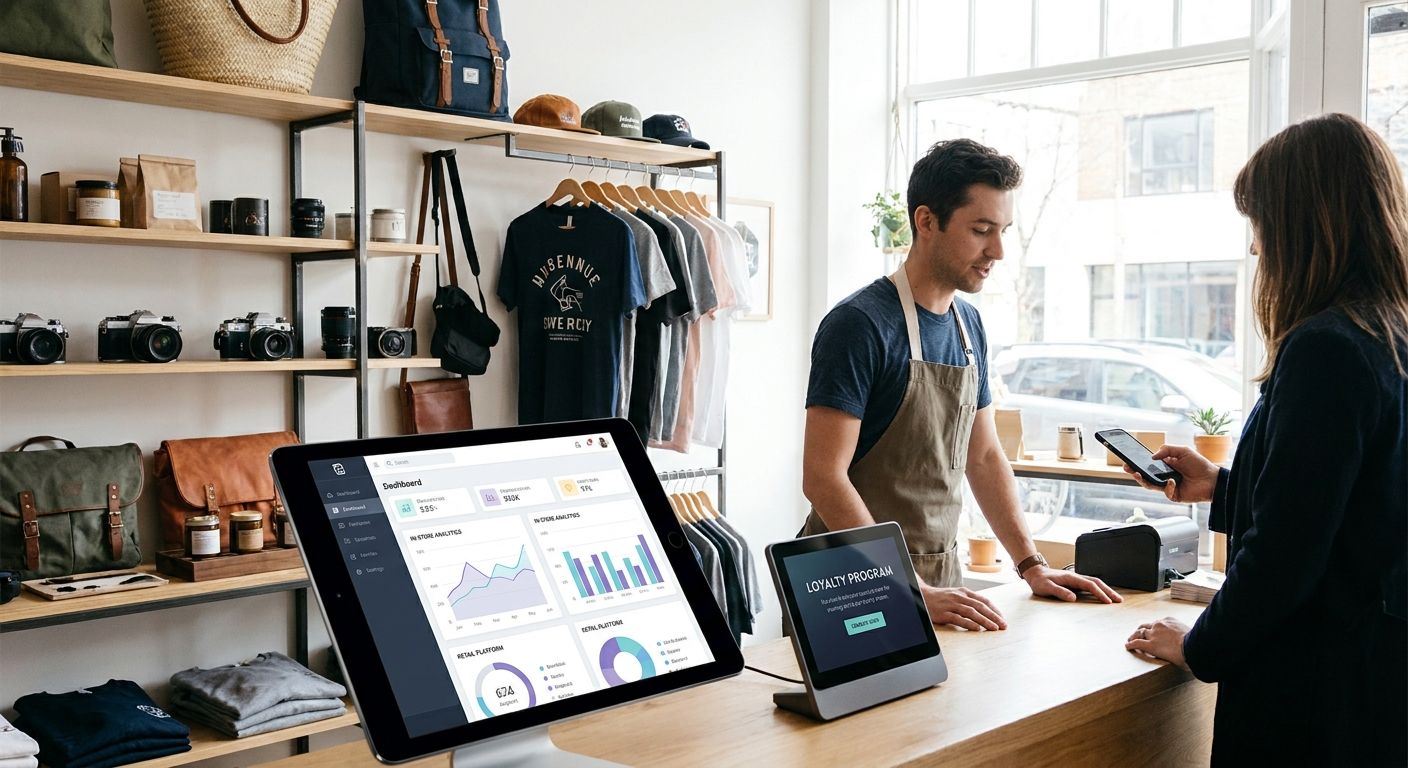
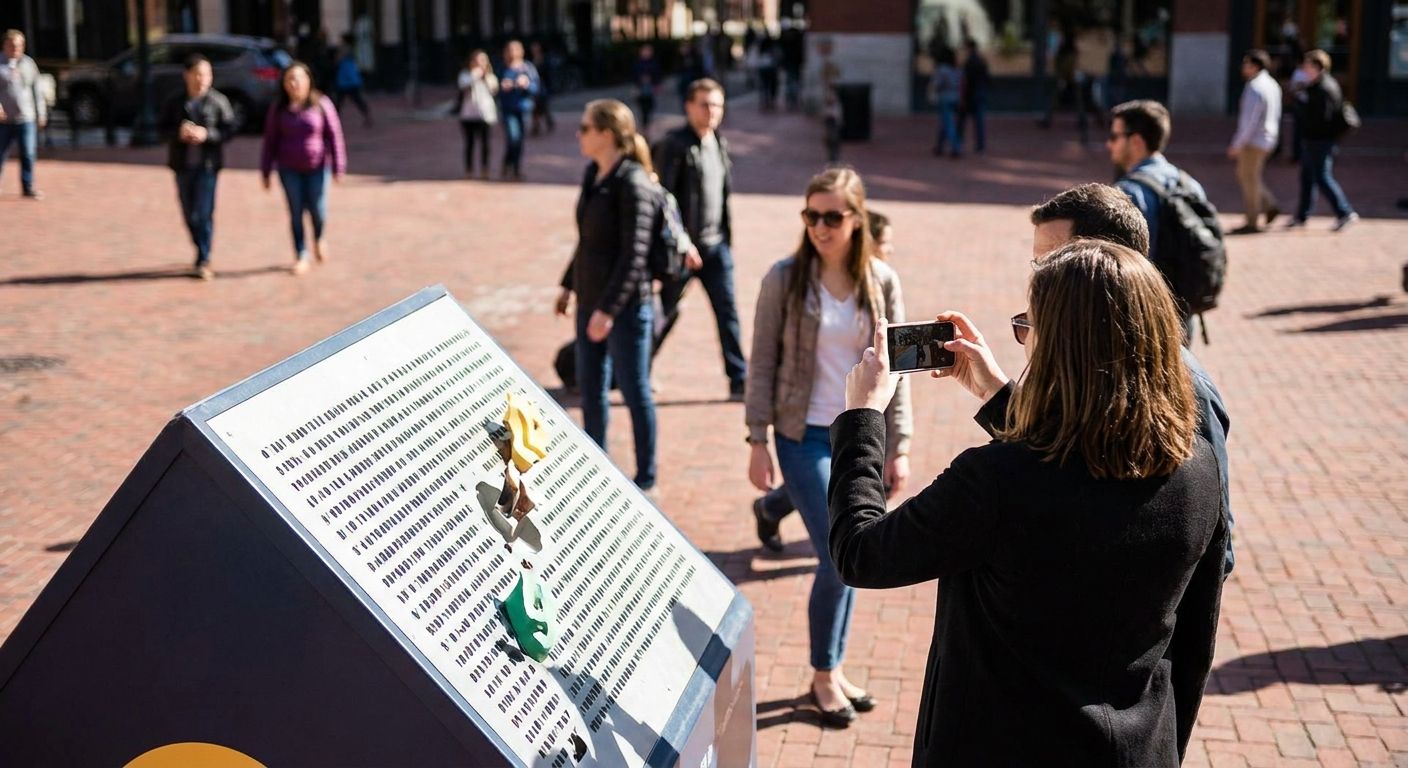
Foot traffic that never leaves proof behind is just a number on a door sensor. This guide walks through the exact process for turning foot traffic into user-generated content that actually convinces the next shopper to walk in, step by step, for 2026.
- Eveoy verifies each visit with a 10+ minute dwell time and photo proof — that's the baseline for turning foot traffic into user-generated content in 2026.
- Paying per verified visit ($24.99 on Eveoy) beats paying per click when the goal is real in-store UGC, not impressions.
- Give shoppers a specific shot list instead of an open-ended photo ask, or submission rates drop below usable volume.
- Automatic refunds on no-shows protect budget — Eveoy refunds when a visit isn't verified, so you never pay for a drive-by.
- Repeat visits, not one-off photos, are the real signal that foot traffic turned into a customer in 2026.
Why this matters
A door count tells you people showed up. It doesn't tell you who they were, what they thought, or whether anyone else will believe them. User-generated content is the difference between plain traffic numbers and a photo of a real shopper holding your product with a caption that sells the next visit for free.
Most retail brands in 2026 are still paying for clicks and impressions that never set foot in the store. Eveoy flips that: you pay only when a verified shopper spends 10+ minutes in your location and submits photo or video proof. That proof is the raw material for every piece of UGC you'll ever run.
What you'll need
- A clear definition of a qualifying visit — dwell time, a purchase, or both
- A submission flow shoppers can complete in under 60 seconds (text link, QR code, or app)
- A verification method — timestamped photo, geolocation, or receipt — so you're not paying for a drive-by
- Usage rights language so you can legally repost whatever comes in
- A distribution plan for where the content goes after collection: site, social, email
- Optionally, a pay-per-result platform like Eveoy if you'd rather not build the verification and payout logic yourself
The steps
1. Define what counts as a visit
Decide upfront whether a qualifying visit means 10 minutes in-store, a purchase, or both. This matters because vague definitions produce vague content — a shopper who walked in for 90 seconds to ask directions isn't going to generate a usable photo or an honest review. Eveoy sets the bar at 10+ minutes with photo or video proof; use that as a reference point even if you're running your own program. Expected outcome: a written rule you can hand to staff or a vendor without ambiguity. Common mistake: counting foot traffic sensor pings as visits — sensors don't verify dwell time or intent.
2. Write the ask
A vague tag-us request gets ignored. A specific ask — one photo of your table with the drink in frame, one 15-second video of you trying it — gets completed. Specificity is why photo/video proof requirements convert better than open-ended reviews. Expected outcome: a one-line brief any shopper can follow without asking a staff member. Common mistake: asking for three or more content types at once — every extra step cuts completion rate.
3. Set the incentive at a price that clears the bar
Incentives that are too small get ignored; incentives that are too generous attract people who'll never come back. Eveoy prices verified visits at $24.99 each, refunded automatically if the shopper never shows or never verifies — that keeps the cost tied strictly to proof, not promises. If you're running this in-house, price your incentive against what a single verified visit and piece of usable content is actually worth to you, not against what a click costs. Expected outcome: an incentive that pulls in shoppers who complete the ask. Common mistake: pricing the incentive like a digital ad click instead of like a real-world action that takes 10+ minutes of someone's time.
4. Route real people to the door
This is the step most programs skip — they build a beautiful submission form and then have no one to send through it. Whether you're recruiting shoppers yourself or using a platform that already has a pool of verified visitors, the goal is the same: get someone with no prior relationship to your brand to walk in. Expected outcome: a steady stream of first-time visitors, not repeat submissions from the same five regulars. Common mistake: only prompting existing customers, which produces content that looks like a loyalty program, not new-customer proof.
5. Verify before you count it
This is the step that separates real foot-traffic UGC from a folder of stock-photo-quality submissions nobody trusts. Verification means checking dwell time, timestamp, and location match before a visit counts or a payout happens. Expected outcome: a rejection rate that filters out bad submissions before they cost you money. Common mistake: paying on submission instead of on verification — that's how programs get flooded with low-effort or fabricated content.
6. Collect and organize the proof
Once photos and videos come in, sort them by category immediately — new customer, repeat customer, specific product, specific location. A pile of unsorted files is content nobody ever publishes. Expected outcome: a tagged library you can pull from for weeks, not a one-time dump you forget about. Common mistake: leaving raw files in a shared drive with no naming convention — three months later, no one can find anything.
7. Get rights, then publish
Usage rights aren't optional — get explicit permission to repost before the content goes anywhere. Build the rights grant into the submission flow itself so it's a checkbox, not a follow-up email nobody answers. Expected outcome: a backlog of content you can legally use on your site, in ads, and on social without chasing signatures. Common mistake: publishing first and asking permission after — that's a takedown request waiting to happen.
8. Track who comes back on their own
The real measure of whether foot traffic turned into something durable isn't the photo count — it's whether any of those verified shoppers return without an incentive. Tag first-time verified visitors and watch your point-of-sale or loyalty data for repeat visits over the following 60-90 days. Expected outcome: a return-visit rate you can compare against your incentive spend. Common mistake: measuring success by content volume alone and never checking whether anyone came back.
Turn visits into verified UGC
Pay $24.99 only when a real shopper visits and submits proof.
Troubleshooting
- Submission rate is under 20%. The ask is too long or too vague — cut it to one photo and one sentence, with an example shown up front.
- Photos are blurry or unusable. Specify lighting and framing in the brief (daylight, product fully in frame) instead of leaving it open.
- You suspect bot or fake submissions. Require a timestamped, geolocated photo or video, and reject anything that doesn't match your dwell-time window.
- Content is piling up but nobody sees it. Set a weekly publishing slot — even one post a week beats a folder of unused files.
- Cost per usable photo keeps climbing. Switch from a flat incentive to a pay-only-on-verification model so you're not funding submissions that get rejected.
- Visitors show up once and never return. The content problem isn't upstream — check whether the in-store experience gives them a reason to come back without a payout.
Tools and resources
- A submission flow (QR code, SMS link, or short form) shoppers can complete in under a minute
- A verification layer — dwell time, geolocation, timestamp — before any payout or content counts
- Eveoy, for brands that want verified visits and photo/video proof handled without building the pipeline in-house
- A content tagging system (even a shared folder with a naming convention works at small volume)
- The foot traffic guide for retail stores for the acquisition side of this process, since UGC only works once people are actually walking in
What to do next
Once the loop is running — visit, verify, collect, publish — the next problem is volume. A handful of verified visits a week gives you a trickle of content; a program built to bring in dozens of new shoppers a month gives you a library. Fix the acquisition side before you optimize the content side further, because no submission flow makes up for an empty store.
FAQ
How do you turn foot traffic into user-generated content?
You define a qualifying visit, ask for a specific photo or video, verify the visit before paying or counting it, and then get rights to publish what comes in. Skipping verification is the most common reason programs end up with unusable or fake submissions.
What counts as a verified in-store visit?
On Eveoy, a verified visit means 10+ minutes in-store plus submitted photo or video proof. Brands running their own programs should set a similarly specific dwell-time and proof requirement before counting anything as a visit.
How much should you pay for a verified visit in 2026?
Eveoy prices verified visits at $24.99 each, refunded automatically if the shopper never shows up or never verifies. Price it against the value of a real customer walk-in and usable content, not against a digital ad click.
Is user-generated content better than paid ads for foot traffic?
UGC and paid ads solve different problems — ads bring attention, UGC brings proof that real people showed up and liked what they found. Brands running both together in 2026 typically use UGC to make the ad spend convert better, not to replace it.
How do you stop fake or bot submissions in a UGC program?
Require timestamped, geolocated photo or video tied to a specific dwell-time window before any submission counts. Paying on verification instead of on submission removes most of the incentive to fake a visit.
Do you need permission to repost customer photos?
Yes — build a rights grant into the submission flow itself so every piece of content comes with permission attached. Publishing without explicit rights risks a takedown request even if the shopper meant to share it.
How long does it take to build a foot-traffic UGC pipeline?
A basic version — submission link, verification rule, publishing slot — can run within a week. The bottleneck in 2026 is almost always getting enough new visitors through the door, not the content mechanics.
What's the biggest mistake brands make with in-store UGC?
Counting submissions instead of verified visits, which lets low-effort or fake content into the pipeline. The fix is simple: no payout and no publishing until dwell time and proof both check out.
One last thing
The photo isn't the point — the return visit is. A verified shopper who spends 10+ minutes in your store and submits proof is worth more the second time they show up on their own than the first time they showed up for $24.99. Build the tracking for that second visit before you spend another dollar on content volume.